


Plastic pelletizing recycling is a transformative technology that converts plastic waste into reusable raw materials. This process is pivotal in the global effort to reduce waste and promote sustainability. By understanding the various plastic pelletizing recycling options, manufacturers can make informed decisions that benefit both their operations and the environment.
The Role of Plastic Pelletizing Machines in Recycling
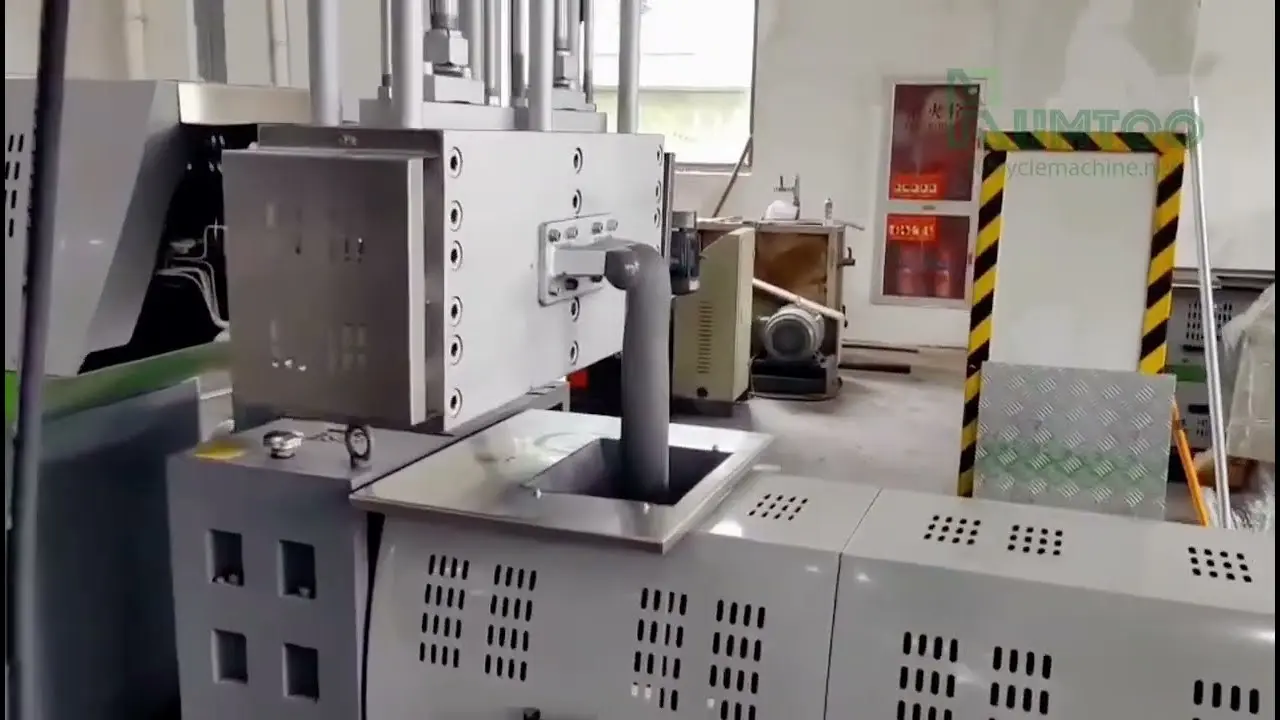
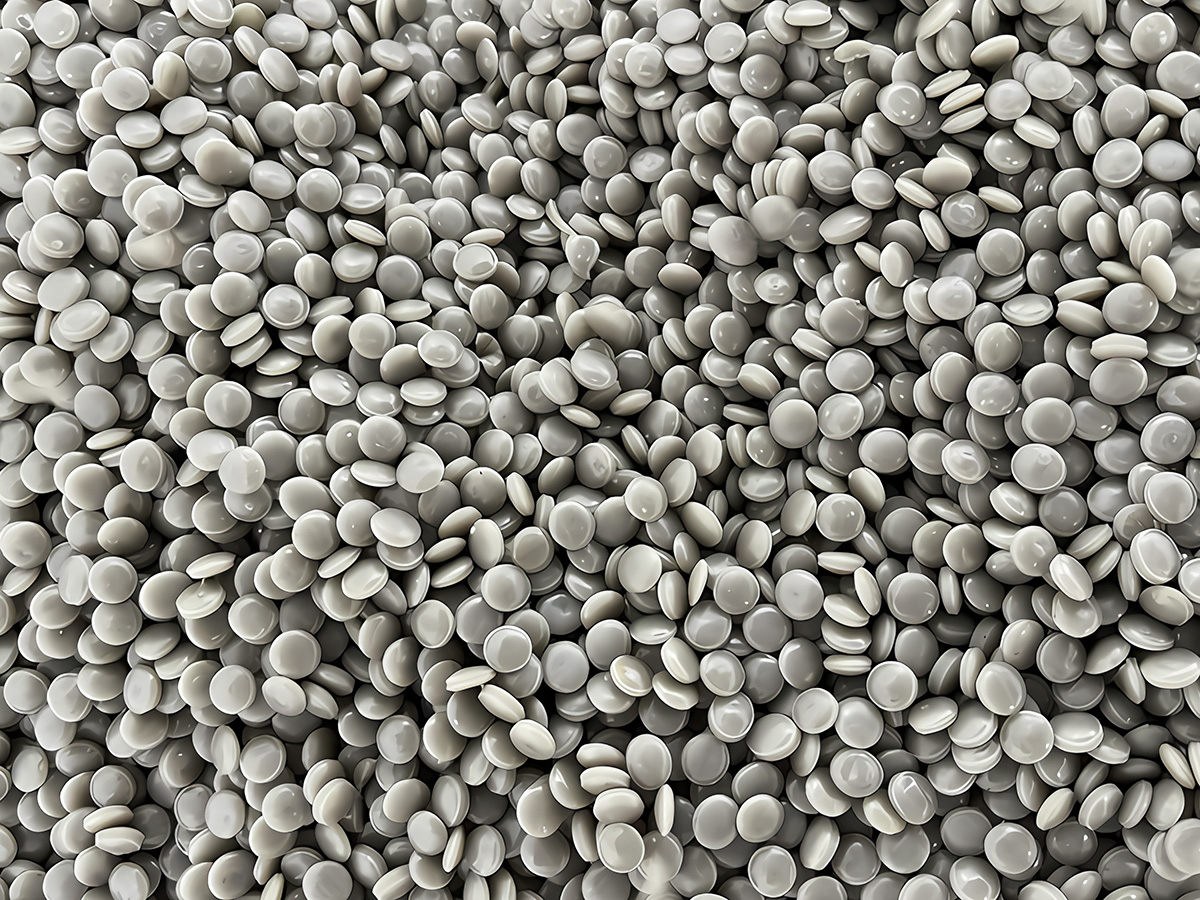
Plastic pelletizing machines play a crucial role in the recycling process. These machines take plastic scraps and recycle them back into a reusable raw material. The process involves melting the plastic, forming it into strands, cooling these strands, and then cutting them into pellets. These pellets can then be reused in a variety of applications, providing a sustainable solution to plastic waste.
Cutting Types of Plastic Pelletizing Machines
There are several types of plastic pelletizing machines, each with its unique cutting system. These include:
- Hot Die Face Pelletizing System: This system involves cutting the plastic while it’s still in a molten state, resulting in round and flat pellets.
- Strand Pelletizing System: This system cuts cooled strands of plastic into cylindrical pellets. It’s a versatile solution that can handle a wide range of materials.
- Water-Ring Pelletizing System: This system cuts the plastic in a water-filled environment, producing spherical pellets with less dusting.
- Underwater Pelletizing System: This system cuts the plastic underwater, resulting in consistent, high-quality pellets.
Each system has its advantages and is suited to different types of plastic materials and recycling requirements.
| Hot Die Face Pelletizing Recycling | Strand Pelletizing Recycling | Automatic Strand Pelletizing Recycling | ||
| Water-Ring Pelletizing Recycyling | Underwater Pelletizing Recycling | |||
| Automation | Big Scope | Big Scope | Little Scope | Little Scope |
| Footprint | Smaller | Smaller | Larger | Larger |
| Investment Cost | Higher | Higher | Lower | Middle |
| Pellet Shape | Round & Flat | Spherical | Cylinderical | Cylinderical |
| Pellet Dusting | Less | Less | More | More |
| Pellet Size | Improved (vs. Strand) | Most Consistent | Less Consistent | More |
Key Components of Plastic Pelletizing Machines
A plastic pelletizing machine consists of several key components, including a conveyor belt, cutter, compactor, shredder, extruder, pelletizer, cooling system, drying system, and silo tank. These components work together to convert plastic waste into reusable pellets.
Feeding Types of Pelletizing Machines
Plastic pelletizing machines can have different feeding systems. The most common are hopper feeding and side feeding. Hopper feeding is suitable for harder plastic scraps or rigid regrind, such as HDPE bottles, while side feeding provides a stable and continuous measure to feed materials, ensuring maximum efficiency.
The Future of Plastic Pelletizing Machines
As the demand for sustainable solutions grows, the development of plastic pelletizing machines continues to evolve. New versions of these machines are being developed to process a wider range of materials, reduce energy consumption, and decrease labor requirements. These advancements are making plastic recycling more accessible and efficient, contributing to a more sustainable future.
Case Studies in Plastic Pelletizing Recycling
RUMTOO, a leading manufacturer of plastic pelletizing machines, has successfully implemented over 2,000 projects in more than 50 countries. Their machines have proven to be effective in various settings, from new recycling businesses in Peru to repeat orders in Japan. These case studies demonstrate the versatility and efficiency of plastic pelletizing recycling options.
Conclusion
Plastic pelletizing recycling options offer a sustainable solution to plastic waste. By understanding the different types of pelletizing machines and their features, manufacturers can choose the best option for their needs. As technology continues to evolve, the potential for plastic recycling will only increase, contributing to a more sustainable future.