
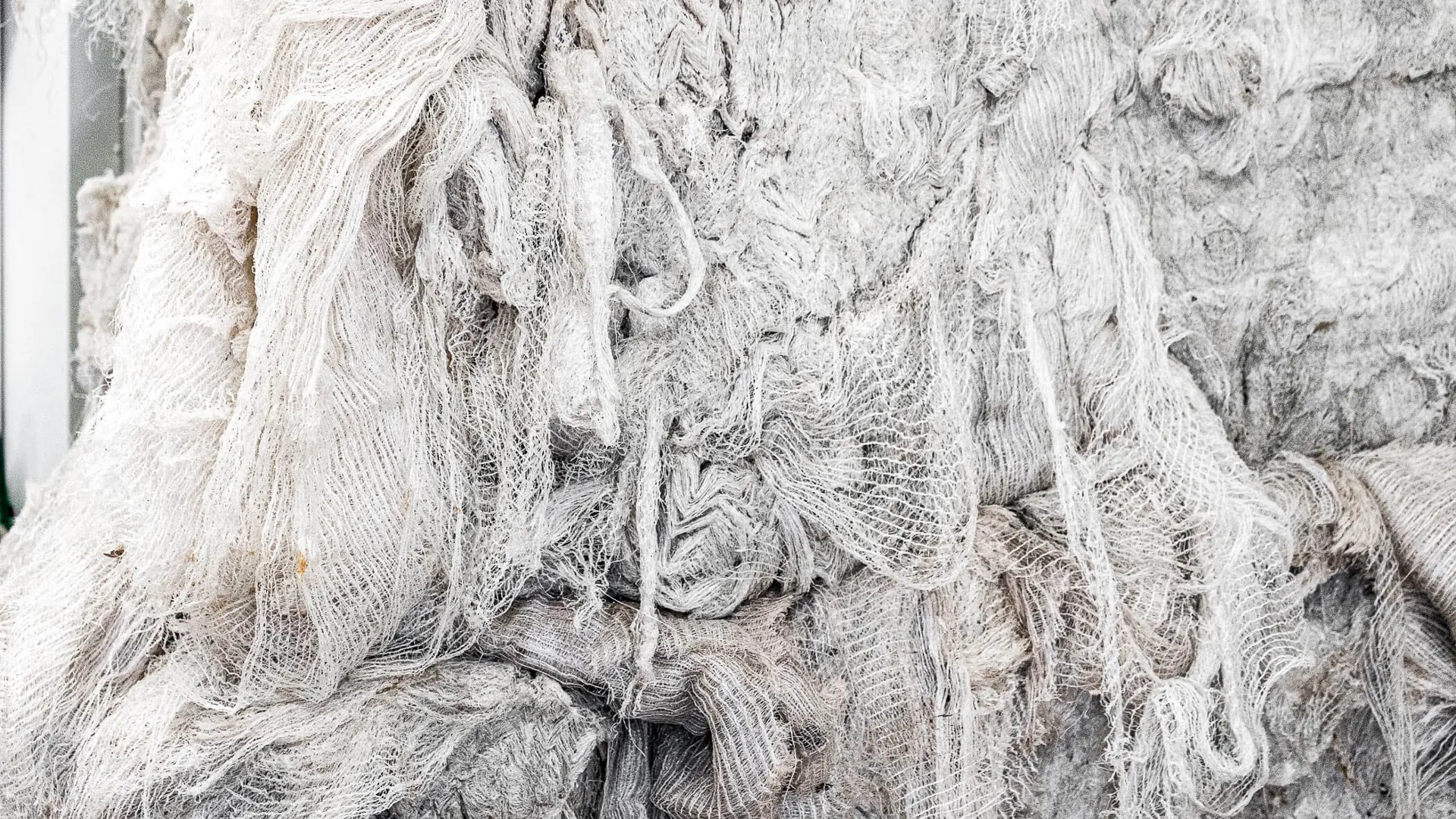
Shredding waste fishing nets without tangling is the ultimate stress test for any recycling facility. We have seen it happen too many times: an operator throws a bundle of discarded nylon nets into a standard hopper, and within seconds, the machine groans, the amperage spikes, and the rotor seizes. The net hasn’t been cut; it has wrapped itself around the shaft like a tightened tourniquet, requiring hours of dangerous manual labor to cut loose.
If you are looking for a heavy duty shredder for nylon nets, you must first understand the physics of why standard machines fail, and why specific shear-force technology is non-negotiable for marine debris.
The Physics of Failure: Why Nylon Fights Back
To understand the problem, you have to respect the material. Fishing nets (often made of PA6, HDPE, or PP) are engineered for one specific purpose: high tensile strength. They are designed not to break under massive tension.
When you feed a net into a standard high-speed, single-shaft shredder, the cutting geometry is often based on a “scissor” cut against a fixed knife. However, if the gap is even slightly off, or the speed is too high, the flexible net refuses to be sheared. Instead, it follows the rotation of the rotor.
Because nylon has high elasticity, it stretches rather than snaps. As it wraps around the rotor, friction generates immense heat. This heat melts the plastic, fusing it into a solid, rock-hard lump that can damage bearings, burn out drive belts, and crack blades. This is not a machine error; it is a material handling error.
The Solution: Shear Type Double Shaft Shredder
The most effective way to process this material is by using a Shear type double shaft shredder. Unlike single-shaft machines that rely on speed, double-shaft machines rely on low-speed, high-torque shearing action.
Here is why this configuration works for nets:
- Grip and Tear: The two counter-rotating shafts are equipped with hooks that grab the slippery netting.
- No “Spooling” Effect: Because the shafts rotate inward effectively “chewing” the material, there is no single direction for the net to wrap around continuously. The opposing blades shear the fibers immediately.
- Pre-Shredding Power: We recommend using our Shear type double shaft shredder as a primary shredder. It breaks the long, dangerous ropes into manageable chunks before they ever touch a fine-grinding machine.
Pro Tip: Never attempt to fine-shred a whole fishing net in one step. Always use a two-step process: Shear first (Double Shaft), then Granulate (Single Shaft).
The Secret Weapon: Wet Shredding
Dealing with marine waste presents a secondary problem: contamination. Old nets are full of abrasive sand, sea salt, and even small stones. This debris dulls blades faster than almost any other plastic waste.
This is where wet shredding fishing nets changes the game.
By introducing water directly into the cutting chamber of your Double-Shaft Plastic Shredder, you achieve three critical goals:
- Cooling: Water absorbs the friction heat, preventing the nylon from melting and sticking to the rotor.
- Lubrication: It reduces the friction coefficient between the blades and the net, allowing for a smoother cut.
- Cleaning: The friction of shredding acts as a “washing machine,” separating sand and salt from the plastic before it moves to the next stage.
Choosing the Right Equipment
At Rumtoo, we engineer our machines specifically to handle these difficult materials. For heavy marine rope and trawling nets, a standard plastic crusher is simply insufficient.
You need a machine with specific “anti-winding” protection. Our Double-Shaft Plastic Shredder is designed with specific blade geometries that prevent material from sitting on the shaft. Furthermore, for facilities processing mixed rigid and flexible marine plastics, our Integrated Shredder and Granulator Machine can offer a compact solution, provided the primary stage utilizes high-torque shearing.
Summary: Stop the Downtime
Recycling marine plastics is vital for our oceans—organizations like The Ocean Cleanup have shown the scale of the problem. But for recyclers, it must also be profitable.
If you are struggling with downtime caused by wrapped rotors, stop blaming the operator. Look at your geometry. Switch to a high-torque, shear type double shaft shredder and consider integrating water into your process. It is the difference between a stalled motor and a profitable recycling line.
Would you like a free consultation on configuring a blade geometry specifically for your type of fishing net waste?