LDPE Recycling Process: From Films to rLDPE Pellets
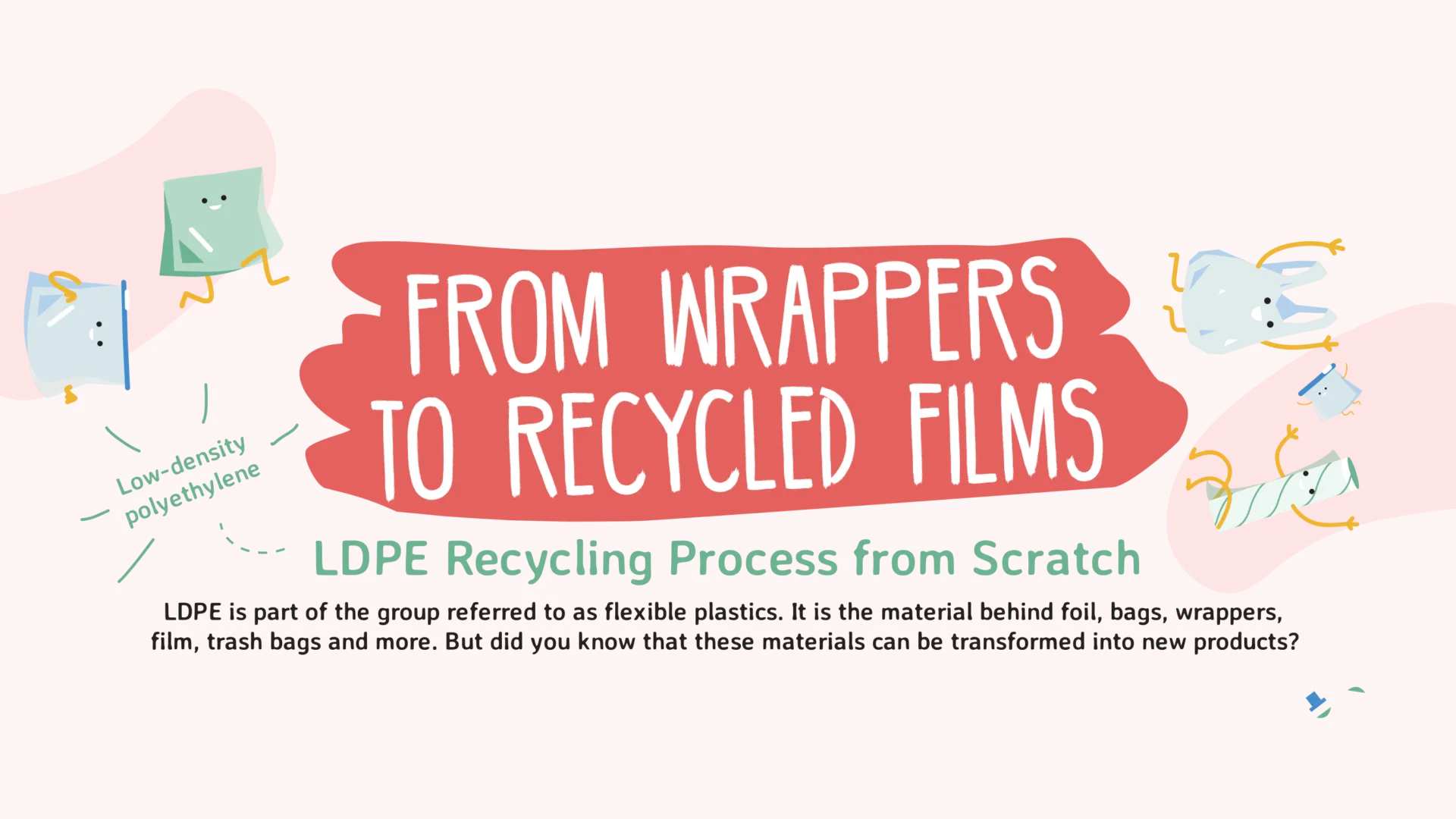
From Wrappers to Recycled Films
Low-density polyethylene (LDPE, recycling code #4) is the flexible plastic behind stretch/shrink wrap, grocery bags, and protective films. This page explains the LDPE Recycling Process step by step—how thin films become clean flakes and, ultimately, high-value rLDPE that can be used again.
LET’S BREAK DOWN THE LDPE RECYCLING PROCESS:
1. COLLECTION
Feedstock comes from post-consumer store drop-offs (bag return bins) and post-industrial sources like warehouses and converters. Clean, dry films without food residues yield the best results and reduce downstream losses.
2. SORTING
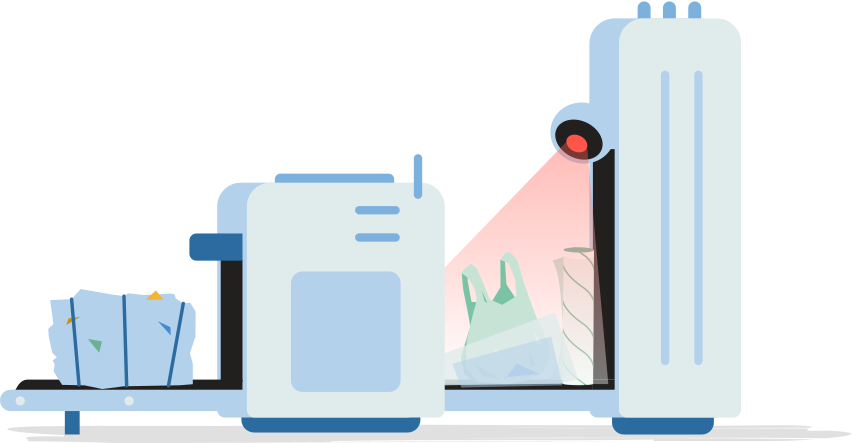
At the sorting line, LDPE is separated from mixed films, paper, and metals using ballistic/optical equipment and manual QC. Films are often split into natural/clear and colored/printed bales; clear film preserves the widest end-use options.
Multi-layer laminates (e.g., paper-plastic or aluminum-plastic) aren’t compatible with a high-quality LDPE Recycling Process and are removed early to protect purity.
3. GRINDING & WASHING
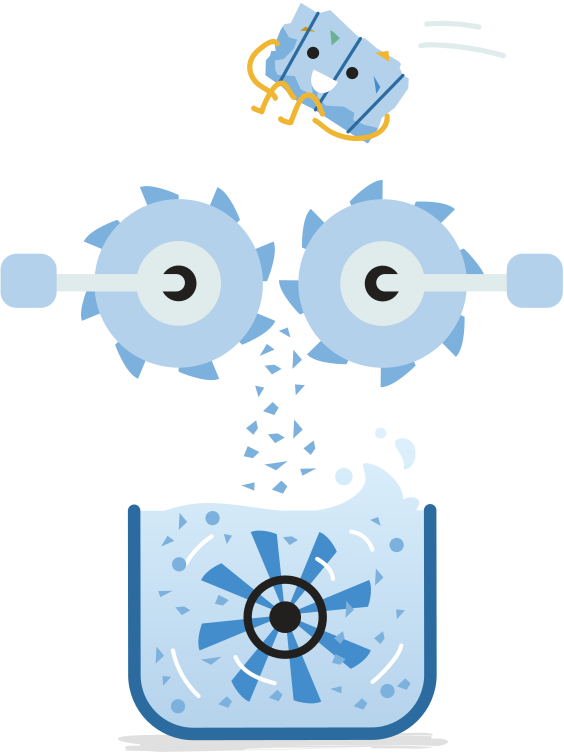
Bales are opened and films pass through pre-shredders and wet granulators to create flakes. Friction/hot washing strips off labels, inks, and stickies so the line can deliver clean, low-odor LDPE flake ready for separation.
4. DENSITY SEPARATION
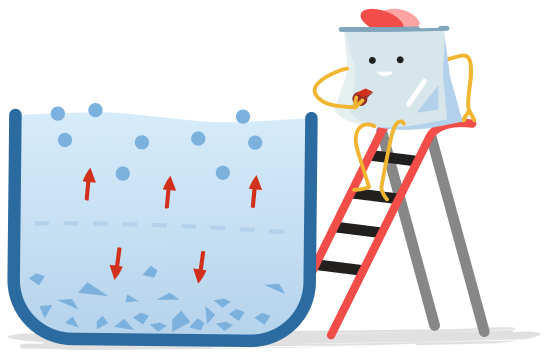
Flakes enter a float–sink tank where denser contaminants (e.g., PET, dirt, metals) sink while LDPE floats. Additional steps like air elutriation and fine screens remove paper and film fragments to lift purity further.
5. EXTRUSION
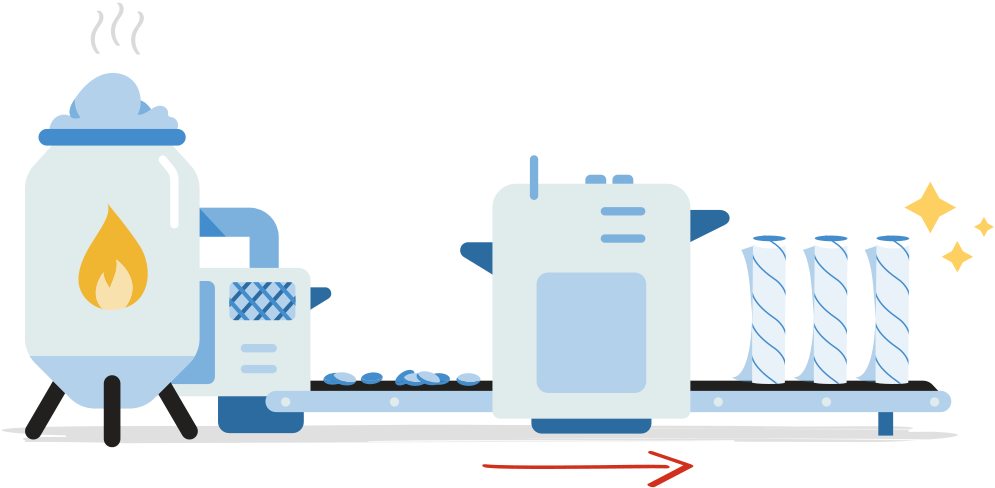
Clean, dry LDPE flakes are densified as needed, then melted, filtered with automatic screen changers, degassed, and pelletized into uniform rLDPE. Stable melt filtration and vacuum help control gels, odor, and color drift.
Why the LDPE Recycling Process Matters
- Reduces Litter: Lightweight films are wind-blown and persistent—recycling keeps them out of streets and waterways.
- Conserves Resources: Each ton of rLDPE displaces virgin resin and the fossil feedstocks behind it.
- Shrinks Landfill Volume: Films are bulky; reclaiming them frees significant landfill space.
- Builds a Circular Loop: Turning film waste into rLDPE supports recycled-content packaging targets and ESG goals.
Common Products Made with rLDPE
- New bags & liners: A leading outlet for recycled LDPE films.
- Construction & agricultural film: Damp-proof membranes, greenhouse covers, and mulch film.
- Composite lumber: Wood-plastic boards for decking, fencing, and outdoor furniture.
- Mailers & cushioning: Protective shipping envelopes and flexible packaging components.
Frequently Asked Questions (FAQ)
Q: What is the recycling number for LDPE?
A: LDPE is marked with the #4 code inside the recycling triangle—commonly found on bags, stretch/shrink wrap, and many protective films.
Q: Can I put plastic bags and film in my curbside bin?
A: Often no—films can jam MRF equipment. Many programs require taking them to store drop-off points or specialized collection bins. Check local guidance.
Q: Why are black films difficult to recycle?
A: Carbon-black pigments absorb near-infrared light, making black items harder for optical sorters to detect, so they are frequently removed from high-quality LDPE film streams.
Turning thin, flexible films into clean rLDPE requires purpose-built lines. At Rumtoo Machine, we supply advanced LDPE film recycling equipment for every critical step—from washing and separation to pelletizing.