
Introduction
In today’s rapidly evolving manufacturing landscape, sustainable production and resource efficiency are top priorities. As 3D printing technology continues to revolutionize industries from aerospace to consumer goods, the demand for high-quality, customizable 3D printer filament is soaring. For manufacturers and professionals who want greater control, cost savings, and eco-friendly operations, a desktop 3D printer filament extruder from Rumtoo Machine offers an innovative solution.
But what exactly is a desktop 3D filament extruder, and how can it transform your workflow? In this article, we’ll explore the fundamentals of this essential equipment, from its working principle to its unique advantages for industrial and recycling applications. Drawing on Rumtoo Machine’s extensive expertise in recycling machinery, we’ll also address common questions, provide performance comparisons, and guide you to the right solutions for your needs.
1. What Is a Desktop 3D Printer Filament Extruder?
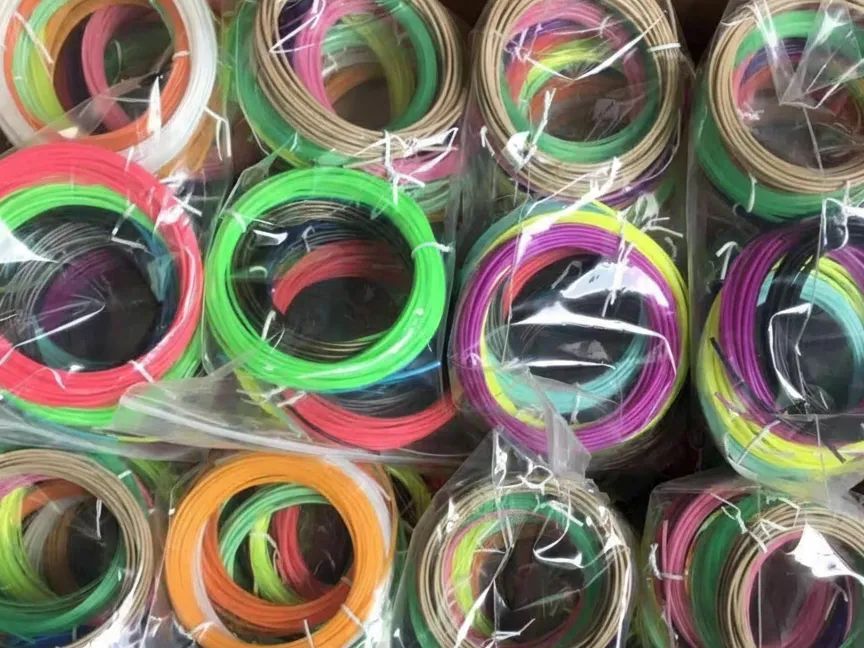
A desktop 3D printer filament extruder is a compact, user-friendly machine designed to convert raw plastic pellets or recycled plastic waste into high-quality filament for 3D printing. Unlike large-scale industrial extruders, these desktop models are optimized for small-batch production, prototyping, R&D, and on-demand filament creation.
At Rumtoo Machine, we specialize in state-of-the-art 3D filament extruders that empower businesses to recycle, customize, and produce their own filament, reducing dependency on commercial suppliers and cutting costs.
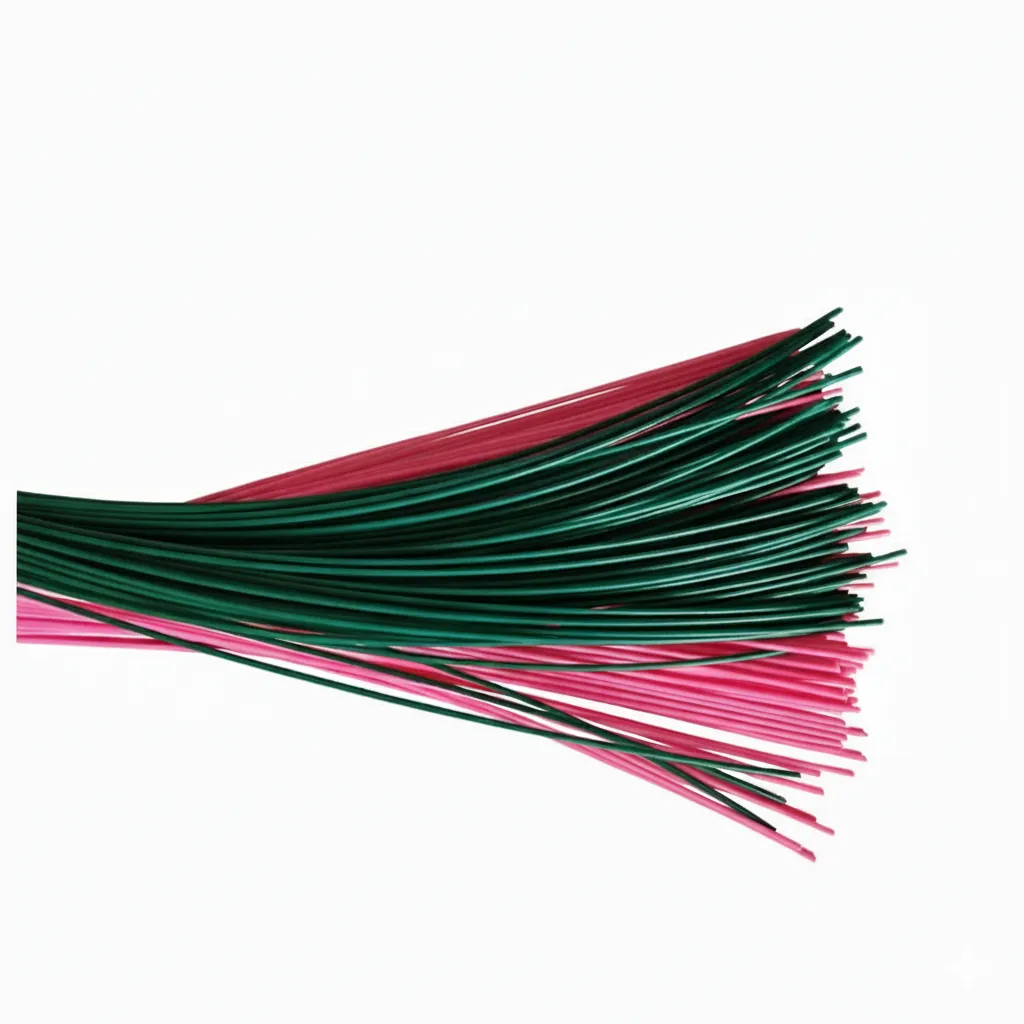
In simple terms:
You feed plastic pellets (or shredded plastic waste) into the extruder, and the machine processes them into a continuous, uniform filament suitable for 3D printers.
Common Input Materials:
- Virgin plastic pellets (PLA, ABS, PETG, etc.)
- Recycled plastic scraps from industrial processes
- Failed or surplus 3D prints, ground into small pieces
Output:
Spool-ready filament, typically in 1.75mm or 2.85mm diameter, compatible with most FDM/FFF 3D printers.
2. How Does a 3D Filament Extruder Work?
To understand the value of a Rumtoo Machine desktop 3d filament extruder, it helps to break down the equipment’s workflow step by step.
Step 1: Material Loading
Plastic pellets or shredded plastic are poured into the hopper at the top of the machine.
Step 2: Melting
An electrically heated barrel melts the plastic as a rotating screw pushes it forward.
Step 3: Extrusion
The molten plastic is forced through a precision nozzle, shaping it into a thin, uniform strand—the filament.
Step 4: Cooling
The filament passes through a cooling system (often water or air-based) to solidify and stabilize its diameter.
Step 5: Spooling
A winding system collects the cooled filament onto a spool, ready for use in 3D printers.
Quality Control Features (Rumtoo Machine Advantage)
- Precise temperature and speed control for consistent filament diameter
- Automated diameter measurement and feedback system
- User-friendly interface for recipe management and customization
3. Key Benefits for Manufacturers and Industrial Users
Why are more professionals choosing Rumtoo Machine’s desktop 3d filament extruders for their operations? Here’s what sets our solutions apart:
A. Cost Reduction
Producing your own filament from bulk resin or recycled waste is far more economical than buying commercial filament. For high-volume users, savings can be substantial—often up to 70% compared to market rates.
B. Sustainability
Recycling failed prints, offcuts, or process waste directly into new filament closes the material loop and reduces landfill contributions, aligning with corporate sustainability goals.
C. Flexibility and Customization
Control over materials means you can tailor filament color, additives, and properties to exact project requirements—whether it’s high-strength ABS, flexible TPU, or specialty blends.
D. Rapid Prototyping
No more waiting for specialty filament shipments. Produce what you need, when you need it.
E. Quality Assurance
By monitoring every step of the process, Rumtoo Machine ensures filament consistency and performance, critical for industrial prototyping and end-use parts.
4. Performance Comparison: Desktop vs. Industrial Extruders
While desktop extruders like the Rumtoo Machine Mini 3D Printer Filament Extruder are engineered for smaller-scale, agile operations, how do they stack up against full industrial lines? Let’s compare key factors:
| Feature | Rumtoo Machine Desktop Extruder | Large-Scale Industrial Extruder |
|---|---|---|
| Batch Size | 0.5–5 kg/hr | 15–100+ kg/hr |
| Footprint | Desktop (compact) | Large, dedicated floor space |
| Energy Consumption | Low (standard power outlet) | High (industrial power) |
| Material Versatility | High (quick changeovers) | Medium (setup time needed) |
| Best For | R&D, prototyping, small runs | Mass production |
| Price | / | / |
Conclusion:
For manufacturers seeking on-demand filament production, cost control, and recycling capability, the Rumtoo Machine desktop extruder is the ideal choice. Industrial extruders remain suited to mass production, but at the cost of flexibility and space.
5. Integrating Rumtoo Machine Extruders into Your Workflow
Implementing a Rumtoo Machine 3d filament extruder into your facility is straightforward. Our compact systems are plug-and-play, require minimal training, and come with robust after-sales support for USA and European customers.
Recommended Workflow for Manufacturers:
- Collect Waste: Gather failed prints, supports, and process scrap.
- Shred: Use a plastic shredder to create feedstock if needed.
- Load and Extrude: Feed material into the Rumtoo Machine extruder.
- Quality Control: Use integrated sensors or external gauges to verify filament specs.
- Spool and Print: Use your freshly produced filament immediately or store for later use.
[Diagram: Closed-Loop 3D Printing & Recycling Workflow]
(Diagram showing 3D Printer → Print Waste → Shredder → Rumtoo Machine Filament Extruder → Filament → 3D Printer, illustrating the circular process.)
Case Example: European OEM Saving 60% on Filament Costs
A leading automotive prototyping firm in Germany integrated the Rumtoo Machine desktop 3d filament extruder into their R&D department. By recycling PLA and ABS support structures, they cut their filament expenses by 60% and significantly reduced their carbon footprint. With real-time customization, they rapidly developed functional prototypes using specialty blends not available from commercial suppliers.
6. Frequently Asked Questions
Q1: What types of plastics can I use in a Rumtoo Machine 3d filament extruder?
A: Most thermoplastics suitable for FDM/FFF printing can be used, including PLA, ABS, PETG, TPU, and some recycled blends. Contact Rumtoo Machine for material compatibility guidance.
Q2: How does the extruder ensure consistent filament diameter?
A: Rumtoo Machine extruders feature advanced temperature and speed control, along with optional automatic diameter sensors, to maintain tight tolerances (typically ±0.05mm).
Q3: Is it difficult to switch between different materials or colors?
A: No. Our desktop extruders are designed for quick cleaning and fast material changeovers, ideal for prototyping or small batch runs.
Q4: What support is available for USA and Europe customers?
A: Rumtoo Machine provides remote technical support, local service partners, and detailed user manuals for seamless setup and operation.
7. Ready to Transform Your Filament Production? Contact Rumtoo Machine Today!
With the growing emphasis on sustainability, cost efficiency, and innovation, now is the perfect time to take control of your 3D printing materials. Discover how a desktop 3d filament extruder from Rumtoo Machine can empower your business—whether you’re in manufacturing, industrial design, or recycling.
Explore our flagship product:
👉 Mini 3D Printer Filament Extruder
For a personalized consultation or to request a quote, contact the Rumtoo Machine team today. Join the growing community of manufacturers and professionals in the USA and Europe who trust Rumtoo Machine for next-generation recycling equipment and 3D printing innovation.
Conclusion
A desktop 3d filament extruder is more than just a machine—it’s a strategic investment in quality, sustainability, and autonomy. With Rumtoo Machine’s advanced technology and industry-leading support, you’re equipped to meet modern manufacturing demands with confidence and efficiency.