Desktop & R&D Units
Return to the parent cluster for compact test equipment, sample-prep tools, and lab-scale recycling workflows.

Desktop & R&D Units
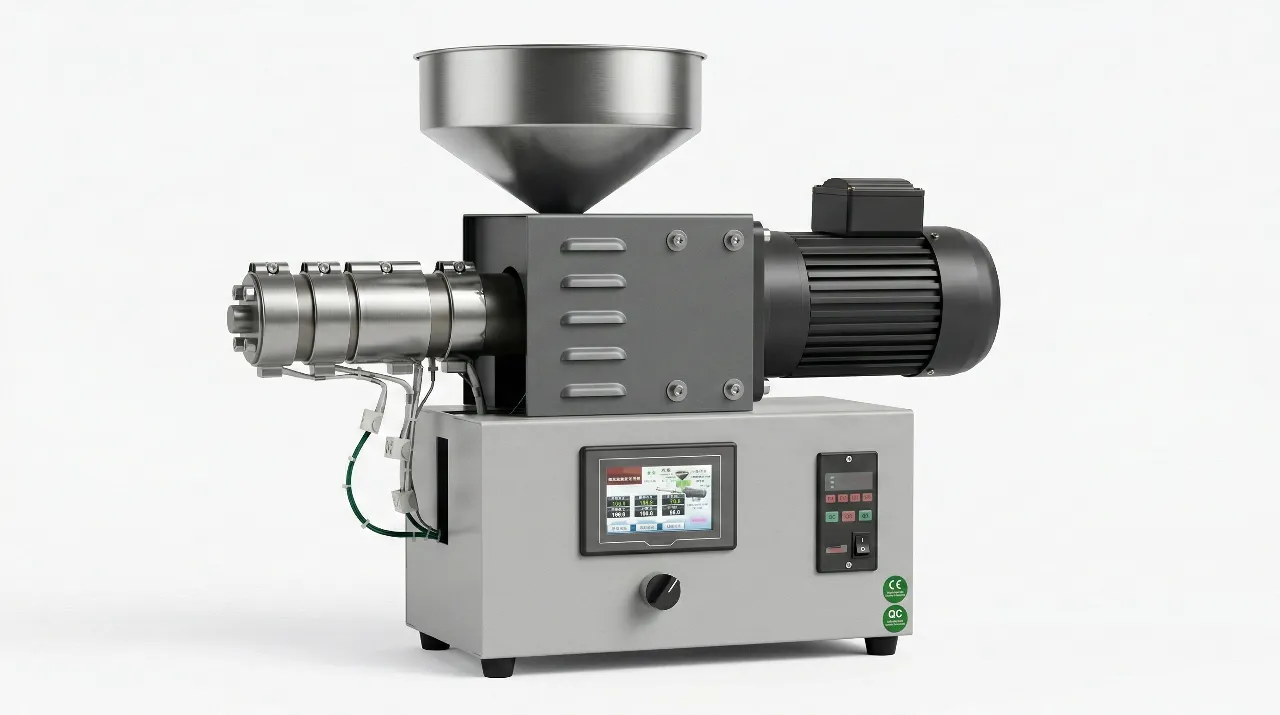
This desktop laboratory twin screw extruder (21 mm parallel twin, 1–5 kg/h, 220 V household power) is built for polymer R&D teams that need repeatable compounding, additive screening, and recycled polymer formulation trials without industrial infrastructure.
Searchers comparing a laboratory twin screw extruder often also need to evaluate pre-processing, sister lab equipment, or the production-scale pelletizing route.
Return to the parent cluster for compact test equipment, sample-prep tools, and lab-scale recycling workflows.
Useful when lab compounding trials also need controlled sample reduction before drying, feeding, or formulation work.
Use this route when the project is moving from laboratory twin screw extrusion toward pilot or production-scale repelletizing.
The key buying decision is not only screw diameter. It is how feeding, screw elements, venting, and control zones are arranged for the exact lab compounding task.
Start with the polymer family, additive package, filler load, temperature limits, and whether the trial is focused on dispersion, reactive extrusion, devolatilization, or masterbatch work.
Configure conveying, kneading, mixing, side-feeding, and venting sections so the laboratory twin screw extruder behaves like a real process-development platform rather than a simple melting unit.
Track torque, melt temperature, pressure, feed stability, and output condition across repeatable trial conditions to compare formulas and process windows.
Use the lab twin screw results to decide pilot throughput, barrel length, devolatilization strategy, and whether production should stay with twin screw compounding or move to a different extrusion route.
Only 0.6 × 0.2 m and 20 kg — runs on standard 220 V household power, no factory wiring or compressed air needed.
Temperature range up to 300 °C with controlled line speed (1–20 m/min), providing repeatable torque, melt, and output data for scale-up decisions.
21 mm twin-screw diameter with low dead volume means recipe trials consume only 1–5 kg/h, keeping costly additive and resin usage to a minimum.
Lab trial data is not reproducible between runs.
Adjustable multi-zone heating up to 300 °C and a high-torque gearbox keep melt conditions stable across batches.
Recipe changeover takes too long and wastes material.
21 mm screw barrel with filter screen and compact dead volume enables fast purge and changeover in minutes.
Lab needs industrial power or a dedicated room.
Runs on standard 220 V household voltage — 20 kg machine sits on any lab bench without special installation.
Small-batch trials consume too much raw resin.
At only 1–5 kg/h throughput, costly additives and experimental polymers are tested with minimal waste.
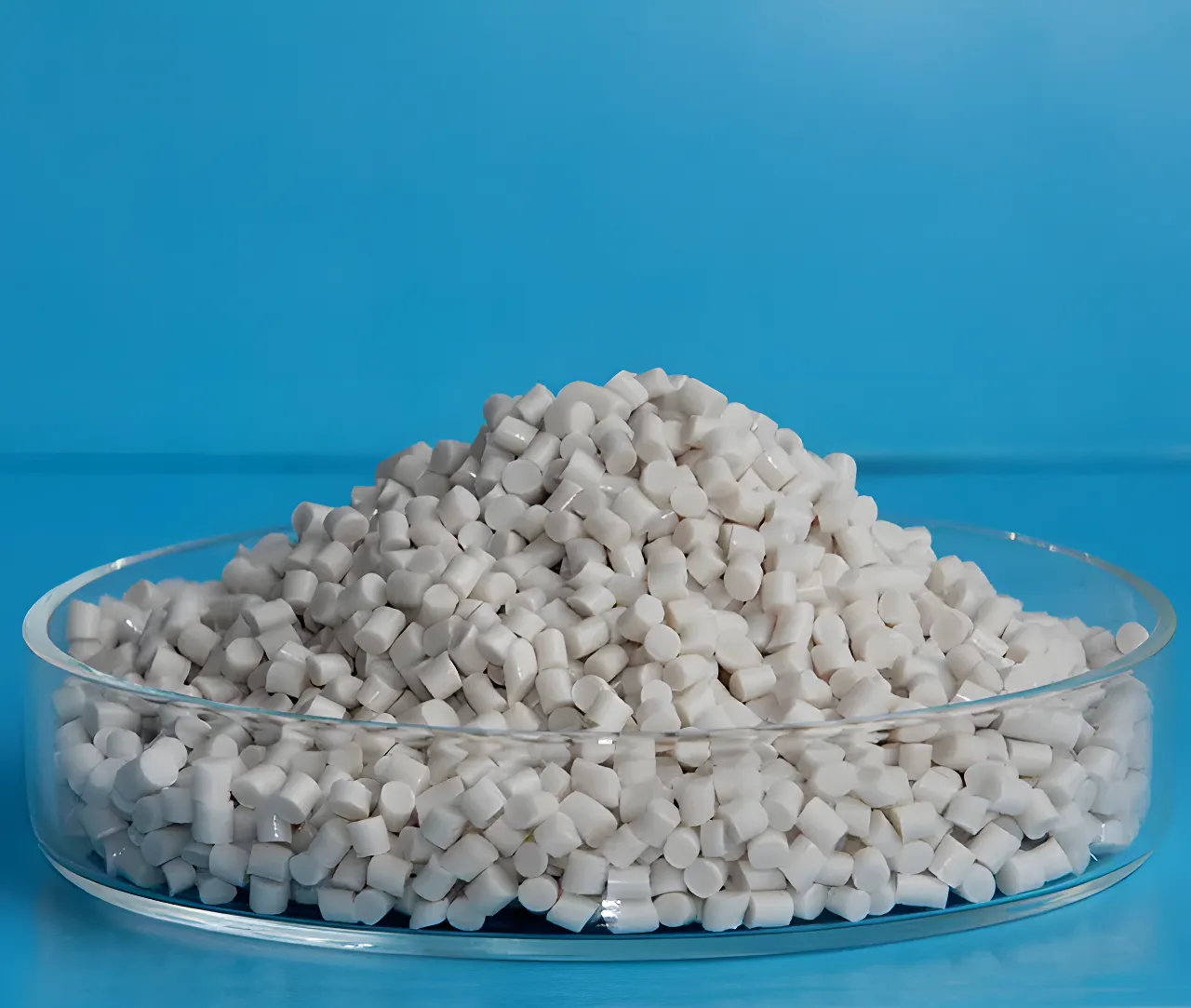
Lab compounding decisions depend on both the raw polymer feedstock going in and the pellet quality coming out — not just the extruder specification.
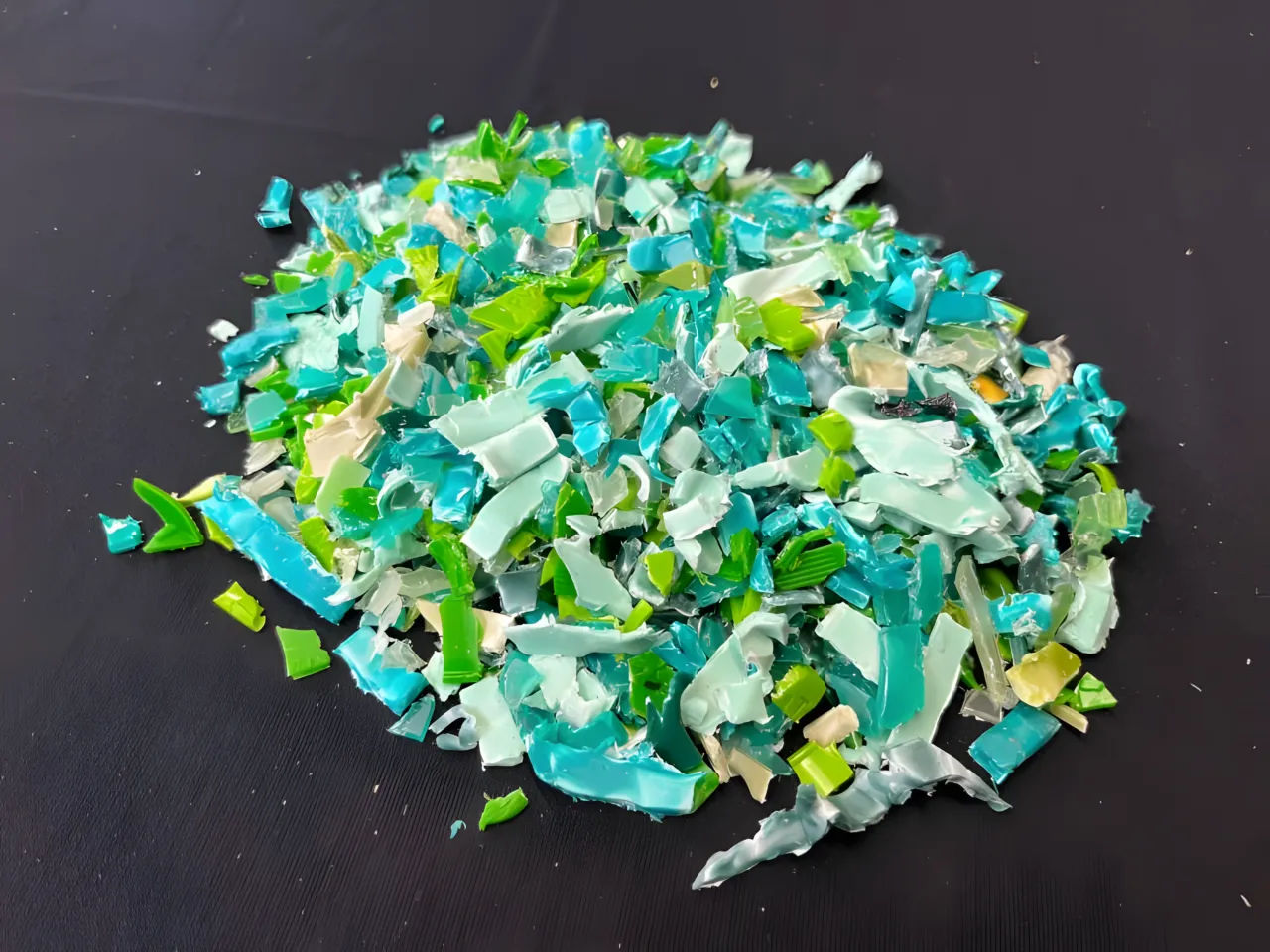
The starting resin form — pellets, flakes, powder, or regrind — determines feeding behavior, melt stability, and the screw configuration needed for your formulation trial.
The final pellet quality — uniformity, color consistency, and absence of degradation — is the real measure of a successful lab compounding trial.
View the machine workflow under real operating conditions.
Validate blend ratios, fillers, and additive packages before pilot or production investment.
Compare dispersion behavior, torque response, and melt stability under controlled lab conditions.
Support repeatable teaching, data collection, and scale-up planning for polymer engineering programs.
| Parameter | Specification | Notes |
|---|---|---|
| Screw Configuration | 21 mm × 2 parallel twin-screw | With high-torque parallel twin gearbox + filter screen |
| Output | 1–5 kg/h | Varies by material flowability |
| Line Speed | 1–20 m/min | Actual speed depends on downstream setup |
| Processing Temp. Range | Ambient – 300 °C | Adjustable to formulation requirements |
| Motor Power | 180 W | High-torque gearbox for stable low-speed compounding |
| Power Supply | 220 V household voltage | No industrial wiring required |
| Machine Weight | 20 kg | Portable between lab benches |
| Line Center Height | 300 mm | Standard benchtop working height |
| Installation Footprint | 0.6 × 0.2 m (L × W) | Fits standard laboratory benches |
| Extrusion Direction | Left-hand extrusion | Fixed direction from operator side |
The above parameters are standard values. All specifications — including screw configuration, temperature range, throughput, and accessories — can be customized to your specific requirements.
| Feature | Lab Twin-Screw Extruder | Lab Single-Screw Extruder | Internal Batch Mixer |
|---|---|---|---|
| Mixing Quality | Excellent (high shear dispersive) | Moderate | Good but time-limited |
| Continuous Output | ✅ Yes (1–5 kg/h) | ✅ Yes | ❌ Batch only |
| Formulation Flexibility | High — modular screw + side feeding | Medium | Low |
| Scale-Up Data Transfer | Direct — same screw geometry logic | Limited | Indirect |
| Setup Complexity | 220 V plug-and-play, 20 kg | Similar | Heavier, more ancillary |
No. It runs on standard 220 V household voltage with a 180 W motor — no special electrical work is needed.
The barrel heats from ambient to 300 °C, covering most thermoplastics including PE, PP, PS, ABS, PA, PLA, TPU, and recycled blends.
The small batch size minimizes raw material cost during recipe screening. Once your formulation is locked, torque trends, melt behavior, and additive ratios transfer directly to larger twin-screw lines.
Yes. The 21 mm barrel with filter screen is designed for fast purging. Most users complete a full changeover in under 30 minutes.
Send your resin family, target throughput, additive or filler system, and whether the goal is compounding, masterbatch, devolatilization, or recycled polymer R&D.
Go to Contact Form