
Film Recycling Systems

Plastic Film Recycling Lines for PP/PE Film and Woven Bags

Dedicated film recycling equipment for PE/PP film, agricultural film, stretch wrap, and woven bags. Three capacity tiers (RFL-500 / RFL-1000 / RFL-1500) with wet shredding, friction washing, screw squeezing, and optional cutter-compactor pelletizing. Not sure which system type you need? Start with our Integrated Washing Systems overview.

Scroll
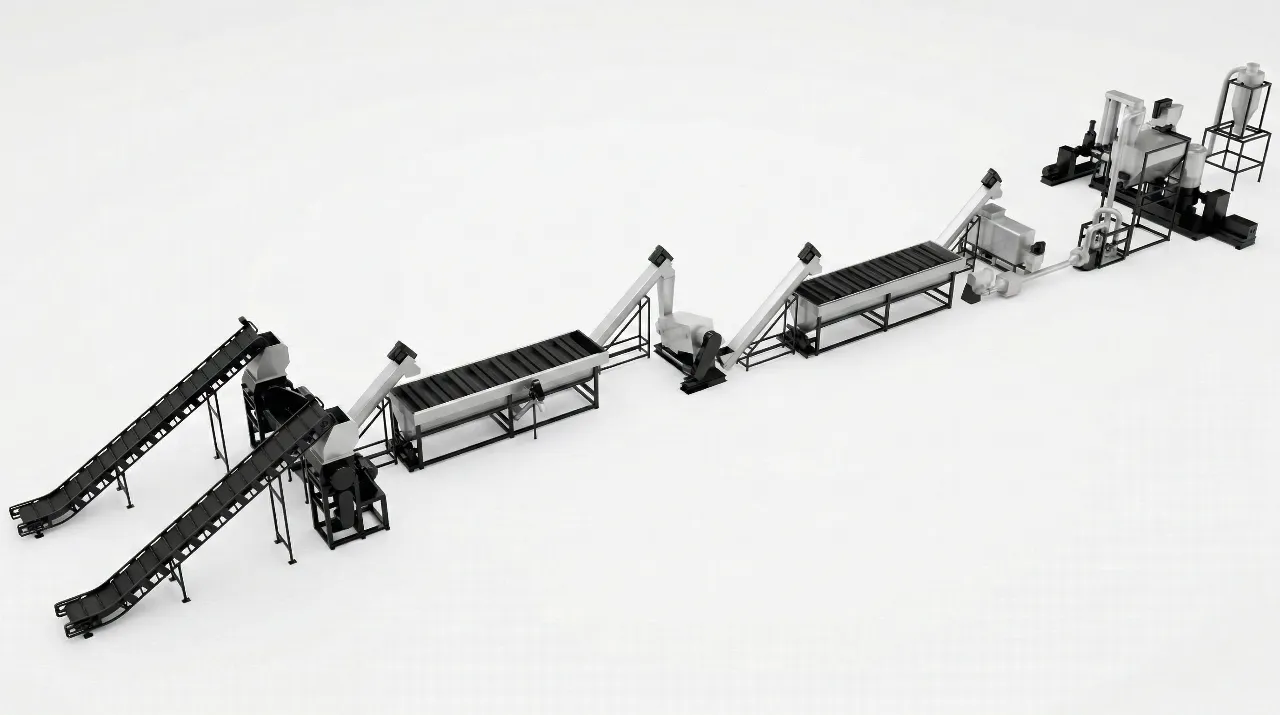
Plastic film recycling washing line installed in a factory

Film Recovery Workflow

Process routing designed for low bulk density, heavy contamination, and difficult drying conditions.

1

Feed Opening + Wet Shredding

Bales or loose film are opened and reduced to manageable size so the line can avoid wrapping, surge feeding, and downstream tangling.

2

Friction Washing + Density Separation

High-speed washers scrub off paper, mud, labels, and glue while sink-float tanks remove heavy contamination such as stones, sand, glass, and incompatible plastics.

3

Mechanical Squeezing and Drying

A screw squeezer or matched drying package reduces residual moisture and increases bulk density, which is critical before extrusion or bagging.

4

Optional Pelletizing Integration

For pellet output, densified film feeds a cutter-compactor or direct extruder with degassing and filtration sized to handle printed and post-consumer material.

Why These Lines Work Better on Film

More Stable Feeding of Fluffy Material

Low-bulk-density film is prepared and densified before extrusion, reducing bridging, starving, and melt-pressure fluctuation.

Lower Moisture Before Pelletizing

Squeezing and staged drying can take washed film into a more practical moisture window for extrusion, storage, or sale as clean flakes.

Contamination Control Matched to Real Feedstock

Washing intensity, flotation, hot wash, and filtration can be adjusted for post-consumer film, agricultural film, and printed woven packaging.

Common Film Recycling Problems and Fixes

Problem

Thin film and bags bridge in hoppers or wrap around rotating parts.

Rumtoo Solution

Front-end sizing, wet shredding, and densifying are configured to keep conveying stable and reduce choke points before extrusion.

Problem

Mud, sand, paper, and organics stay attached after basic rinsing.

Rumtoo Solution

Higher-friction washing, sink-float separation, and optional hot washing are used where light rinsing alone will not reach cleanliness targets.

Problem

Wet film enters pelletizing with too much water and causes bubbles, odor, or unstable output.

Rumtoo Solution

A screw squeezer plus correctly sized drying and degassing stages reduce residual moisture and improve pellet consistency.

Problem

PP woven bags, jumbo bags, and printed BOPP structures behave differently from standard LDPE film.

Rumtoo Solution

Rumtoo selects different shredding, drying, and filtration routes depending on tensile strength, print load, and lamination complexity.

Machine and Process Reference

Key modules that determine moisture, density, and downstream pelletizing stability.

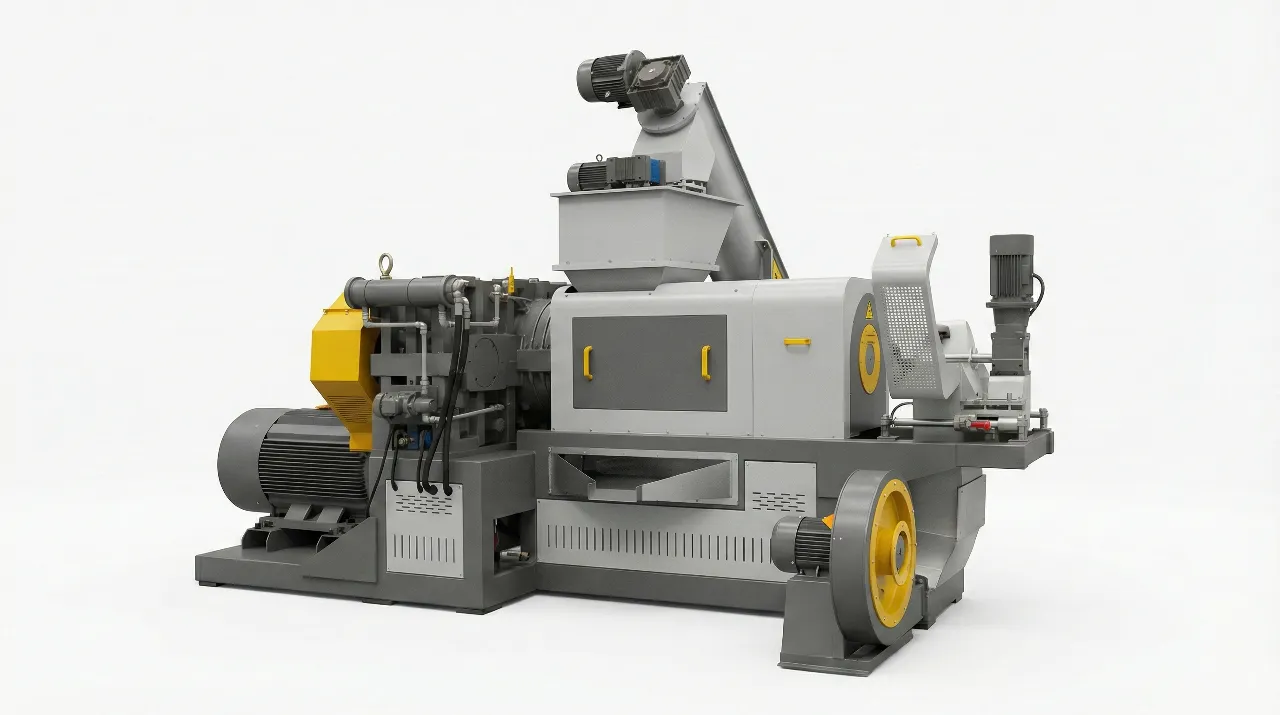
Plastic film squeezer used between washing and pelletizing

Squeezer-Densifier Between Washing and Pelletizing

For washed film, the squeezer is often the turning point between unstable wet flakes and a denser, more manageable feed for extrusion.

  • Reduces residual moisture before thermal load increases
  • Raises bulk density for steadier downstream handling
  • Commonly used on PE film, agricultural film, and woven bag projects
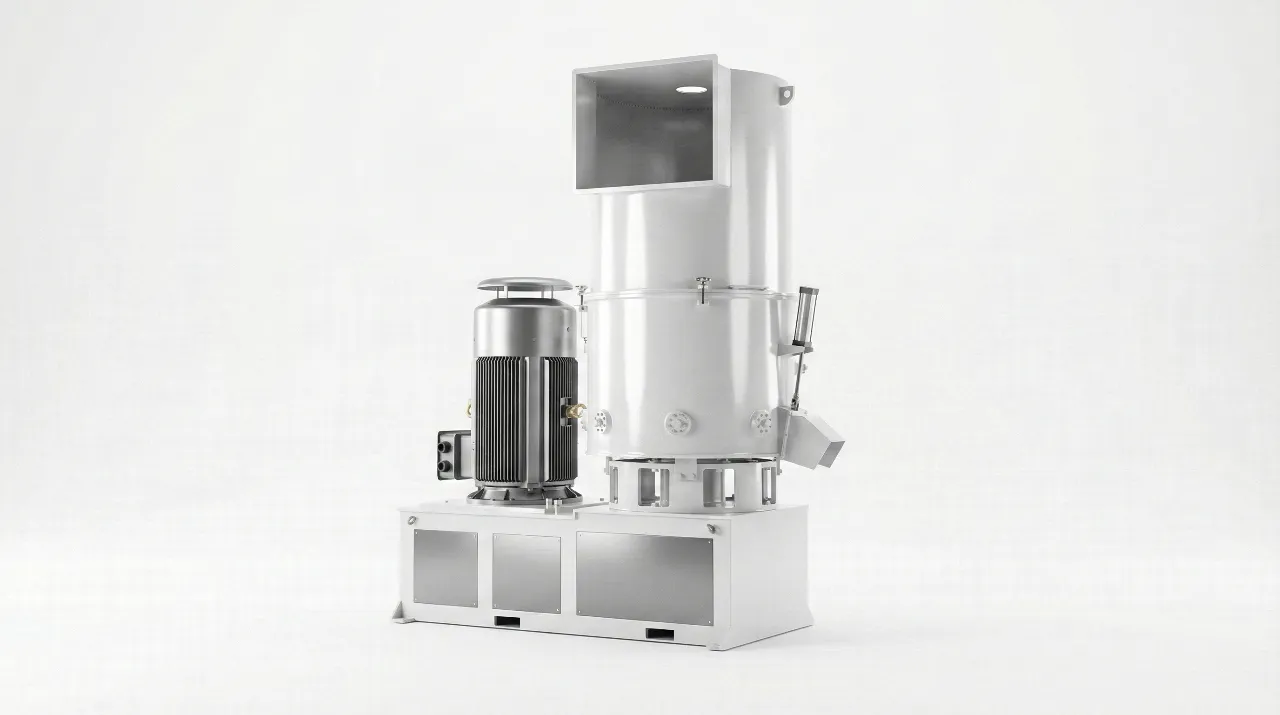
Compactor and Filtration End of the Line

If the project ends in pellets, compaction, degassing, and filtration determine whether the line can handle printed film and maintain stable output.

  • Improves feeding of low-density film into the screw
  • Supports cleaner melt processing on mixed post-consumer feed
  • Helps reduce downtime caused by unstable contamination load
Cutter compactor chamber for soft plastic film recycling

Typical Feedstocks and Use Cases

  • Post-Consumer PE Film

    LDPE and LLDPE shopping bags, supermarket film, and mixed collection film with paper, organics, and labels.

  • Agricultural Film

    Mulch film, greenhouse film, and silage wrap carrying soil, fertilizer residue, and high moisture.

  • Stretch Wrap and Pallet Covers

    Warehouse and logistics scrap where density is low but contamination is usually lighter and more predictable.

  • PP Woven Bags and Raffia

    Cement sacks, feed bags, jumbo bags, and woven industrial packaging requiring stronger anti-wrapping preparation.

  • Printed BOPP and Packaging Film

    Printed or laminated structures where adhesives, inks, and odor risk push the need for stronger washing and filtration.

  • In-House Film Reuse Projects

    Factory edge trim, converting scrap, and clean post-industrial streams routed either to flake reuse or pelletizing.

Technical Scope and Reference Configurations

Line FamilyTypical OutputFinal Moisture TargetTypical Process Route
RFL-500300-500 kg/h< 5%Wet shred + friction wash + centrifugal / squeezer
RFL-1000800-1,000 kg/h< 3-5%Wet shred + sink-float + squeezer + hot air
RFL-15001,200-1,500 kg/h< 3%Heavy-duty washing + squeezer + buffer silo
RFL-PPellet output optionFeed to extruder depends on lineCutter-compactor / extrusion + degassing + filtration
UtilitiesProject-specificDepends on materialWater treatment, drying heat, and extraction sized by contamination

Actual performance depends on feedstock mix, contamination level, target cleanliness, moisture requirement, and whether the final product is washed flakes or pellets.

Project Checklist Before RFQ

These inputs help size the washing, drying, and pelletizing modules correctly.

Feedstock Mix

List the share of LDPE, LLDPE, HDPE film, PP woven bags, raffia, BOPP, or laminated packaging in the project.

Contamination Profile

Describe soil, sand, paper, labels, ink load, organics, and whether the material is post-consumer, agricultural, or post-industrial.

Output Requirement

Clarify whether you need washed flakes, densified material, or finished pellets, plus your target moisture and cleanliness level.

Utilities and Layout

Confirm power supply, water loop or treatment plan, thermal drying options, and available footprint for tanks, silos, and pelletizing.

System-Level Comparison

Decision CriteriaBasic Film LineRumtoo Integrated Line
Handling Low-Density FilmMore surge feeding and wrapping riskFront-end prep and densifying reduce instability
Drying StrategySingle drying method onlyMechanical squeezing plus staged drying options
Printed / Dirty MaterialLimited adaptation to ink and mud loadWashing intensity and pelletizing interface are configurable
Expansion PathHarder to connect pelletizing laterBuilt to connect with downstream densifying or pelletizing modules
Project CustomizationGeneric configurationLayout and utility design matched to feedstock and target output

Frequently Asked Questions

Which materials can this line process?

Typical inputs include LDPE and LLDPE film, stretch wrap, shopping bags, agricultural film, and PP woven bags. Printed BOPP or laminated structures may also be possible, but they usually need stronger washing and more careful downstream filtration planning.

Do I need a squeezer, or is a centrifugal dryer enough?

For lightweight washed film, a centrifugal dryer alone often leaves too much residual water. A screw squeezer is usually preferred when the line must feed pelletizing stably or hit a lower final moisture target.

What final moisture can I expect after washing and drying?

For many film projects, the practical target after squeezing and drying is below about 3-5%, depending on feedstock, contamination level, and whether the next stage is storage, agglomeration, or pelletizing.

When is hot washing necessary for film recycling?

Hot washing is usually considered when the material carries heavy labels, oils, glue, food residue, or difficult printing contamination that cold friction washing cannot remove reliably.

What should I send before asking for a quotation?

Send material photos, the feedstock mix, contamination description, required kg/h, whether you want flakes or pellets, and any layout or utility constraints. Those inputs are the minimum needed for a practical proposal.

Need a Film Recycling Line Proposal?

Send your material mix, contamination level, moisture expectations, and throughput target. Rumtoo will return a practical line recommendation with key modules and utility notes.

Request Film Line Proposal
Expert response within 24 hours. No obligation quote.